

The question of how to start a media company usually arrives with a mix of excitement and dread: a story you want to tell, an audience you believe is underserved, and a nagging sense that the industry is impossible to break into. The honest answer is that media businesses fail more often on structure than on talent, which is why Creative business model guides treat revenue design as the first decision and content format as the second. This guide walks through that sequence step by step, from defining what your company actually sells to publishing your first issue, episode, or video.
Quick answer: Decide what you sell before you decide what you publish. Choose a specific audience, a repeatable format, and at least two revenue streams, then form a legal entity, budget for a lean launch of a few months, and publish consistently on one channel before expanding. Treat the first year as a structured experiment rather than a debut.
What is start a media company?
Starting a media company means creating an organization whose main product is content: news, analysis, entertainment, education, or a mix. It differs from running a personal blog or channel in structure. A company has a legal entity, a defined audience, editorial standards, and a plan for revenue that can support more than one person.
The work splits into four decisions that must agree with each other:
- Audience: a specific group with a shared problem or interest, such as independent restaurant owners or amateur marathon runners.
- Format: the shape of the content, such as a weekly newsletter, a podcast, a video series, or a print magazine.
- Business model: how money arrives, whether subscriptions, advertising, events, sponsored content, or courses.
- Operation: who writes, edits, sells, and publishes, and on what schedule.
The most common starting point today is a niche digital publication run by one or two people, because the cost of distribution is low. That low cost hides a real challenge: attention is abundant, but trust and habit are scarce. A company that publishes erratically rarely builds either.
Media also differs from other small businesses in one important way: the product usually reaches the audience before the customer pays. You publish first, then convert some readers or viewers into subscribers, sponsors, or buyers. That sequence means you need cash or patience to cover the gap between publishing and earning.
A media company is an audience relationship plus a revenue system. Content is the mechanism that builds the relationship, but the revenue system is what makes it a company.
Takeaway: define your audience, format, revenue model, and operating plan as four linked choices. If any one of them is vague, the others will wobble.
Why start a media company matters
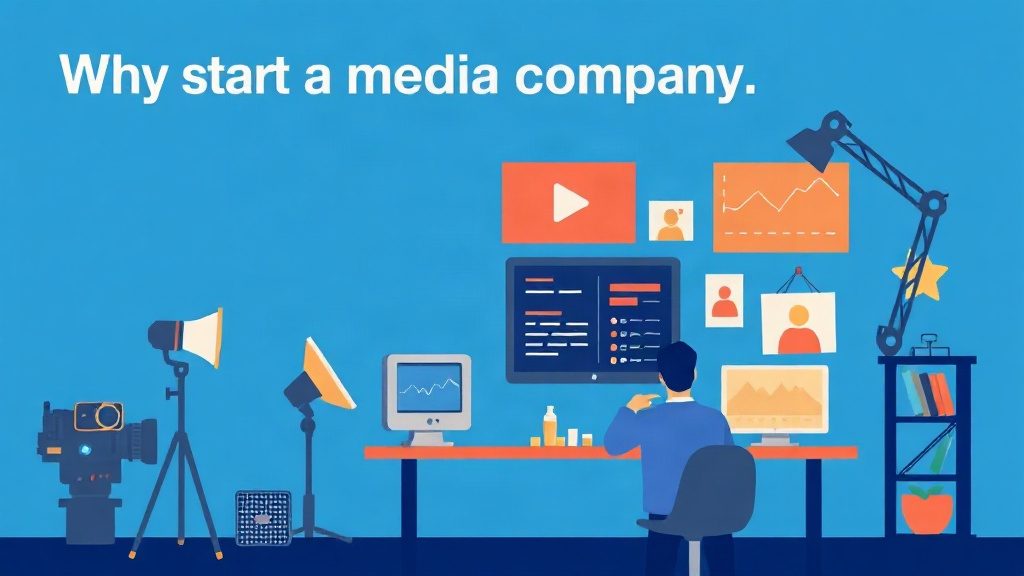
Media companies shape what people notice. A well-run niche outlet can become the reference point for an industry, the place where news, jobs, and analysis surface first. That position has commercial weight: sponsors pay for access to an engaged audience, and readers pay for coverage they cannot get elsewhere.
The structural reasons to build one now are practical. Publishing tools are inexpensive, distribution happens through platforms the audience already uses, and small teams can produce professional work. An independent publisher can launch a newsletter with a modest monthly software bill and scale only when revenue justifies it. That low floor makes the barrier to entry about discipline rather than capital.
There is also a public dimension. Local and specialist media serve communities that large outlets no longer cover in depth, and that coverage can create civic and commercial value at once. Projects that connect business activity to community benefit, such as the ideas described in //creativebizservices.org/business/harnessing-business-for-community-good-ideas-that-create-impact/, show how a publisher can earn support by serving a place or a group rather than chasing the broadest possible audience.
The trade-offs deserve honesty. Media is competitive for attention, advertising rates move with the economy, and audience trust is slow to build and quick to lose. Founders who understand these constraints plan for them instead of being surprised by them.
Takeaway: media matters because attention and trust convert into commercial and civic influence. Build for a defined audience, and that influence compounds.
Best practices
The following practices separate media companies that survive their first two years from those that quietly stop publishing.
Start with one channel and one schedule. Choose the format you can sustain weekly or biweekly for a year, then publish on that cadence without exception. A consistent weekly newsletter builds more habit than three formats published irregularly.
Define an editorial scope in writing. Write one sentence naming what you cover and one naming what you do not. This keeps freelancers aligned and makes sales conversations easier, because sponsors know exactly what they are buying.
Diversify revenue in stages. Aim for a primary stream and a secondary stream before you add a third:
| Stage | Primary revenue | Typical secondary revenue |
|---|---|---|
| Launch | Consulting or freelance work | Reader donations |
| Growth | Sponsorships | Paid subscriptions |
| Maturity | Subscriptions | Events or courses |
Notice that advertising usually requires scale, while consulting and subscriptions can start small. Plan the order around what your audience will actually pay for.
Budget for a runway, not a launch party. Estimate monthly costs for tools, insurance, legal setup, and your own living expenses, then confirm you can cover them for at least six months with no revenue. A media company that runs out of money mid-year loses the audience it built.
Separate editorial from sales. Publish a short policy stating that advertisers cannot approve or change coverage. Readers notice when coverage bends, and the loss of trust costs more than any single sponsorship.
Pick a single metric that reflects audience habit, such as open rate or returning viewers, and review it every week. One number reviewed consistently beats a dashboard nobody reads.
Takeaway: consistency, written scope, staged revenue, runway, and editorial independence are the five practices that keep a small publisher alive.
Common mistakes to avoid
Most failures come from predictable errors rather than bad luck. Watch for these.
Building for everyone. A publication aimed at “people interested in food” competes with every outlet on earth. A publication for “independent bakery owners in mid-sized cities” can own its niche quickly.
Launching on every platform at once. Splitting effort across video, podcast, newsletter, and social media dilutes quality. Add a second channel only after the first runs smoothly for several months.
Confusing traffic with revenue. Large audiences that never pay or respond to sponsors are expensive to serve. A smaller list of engaged readers often produces more income.
Skipping the legal and financial basics. Register the business, open a separate bank account, and understand how sales tax and contractor payments work in your jurisdiction. Few investors will take an unincorporated publisher seriously.
Publishing without an archive plan. Content should live somewhere you control, such as a website you own, so platform changes cannot erase years of work.
Ignoring the sales side. Many founders assume good content sells itself. It does not. Set aside time each week for outreach, proposals, and follow-ups, even if that reduces publishing time slightly.
Takeaway: specificity, sequencing, and boring administration prevent most collapses. Treat them as part of the job, not as distractions from it.
FAQ
How much does it cost to start a media company?
A lean digital launch can cost a few hundred dollars for a domain, website, and email tool, plus legal registration fees. The larger cost is your living expenses while revenue is low, so budget a runway of at least six months.
Do I need a journalism degree to start one?
No. Subject knowledge, careful editing, and a clear corrections policy matter more than a specific credential. Many successful publishers learn reporting standards on the job and hire experienced editors as they grow.
How long before a media company earns money?
Sponsorships and subscriptions typically take months of consistent publishing before they produce meaningful income. Many founders bridge that period with freelance or consulting work related to their subject.
Should I start as a newsletter, podcast, or video channel?
Choose the format you can sustain on a fixed schedule and that suits your audience’s habits. A newsletter suits analysis and daily reading; audio suits commuting and conversation. Switching formats early resets your audience-building progress.
Can I run a media company alone?
Yes, at small scale. One person can publish and sell, but growth usually requires help with editing, sales, or production. Budget for a freelancer before your workload becomes unmanageable.
Conclusion
Starting a media company is a sequence of decisions, not a single leap. Name a specific audience, pick one format you can publish consistently, and design revenue in stages that match your size. Form the entity, protect a runway, keep editorial choices independent from advertisers, and review your key metric every week. Your next step is to write the one-sentence scope for your publication and a four-week publishing calendar; once both exist, the rest of the plan becomes concrete.