

Want to grow your business without spending a fortune? A free email funnel can help. It guides potential customers from interest to purchase. Email funnels build trust and boost sales. They’re cost-effective and powerful. According to a 2023 study by the Direct Marketing Association, email marketing yields an average ROI of $42 for every $1 spent. The U.S. Small Business Administration reports that 64% of small businesses use email marketing to reach customers. Ready to learn how a free email funnel can transform your business? Let’s dive in.
What Is an Email Funnel?
An email funnel is a series of emails that guide leads toward a purchase. It starts with awareness and ends with action. Each email nurtures the relationship, building trust. You don’t need expensive tools to start. Free platforms like Mailchimp or Sendinblue offer robust features. Email funnels work for any online business, from e-commerce to online courses.
Why Email Funnels Matter
- Cost-effective: Free tools reduce marketing costs.
- Scalable: Reach thousands without extra effort.
- Personalized: Tailor messages to customer needs.
- Measurable: Track opens, clicks, and conversions easily.
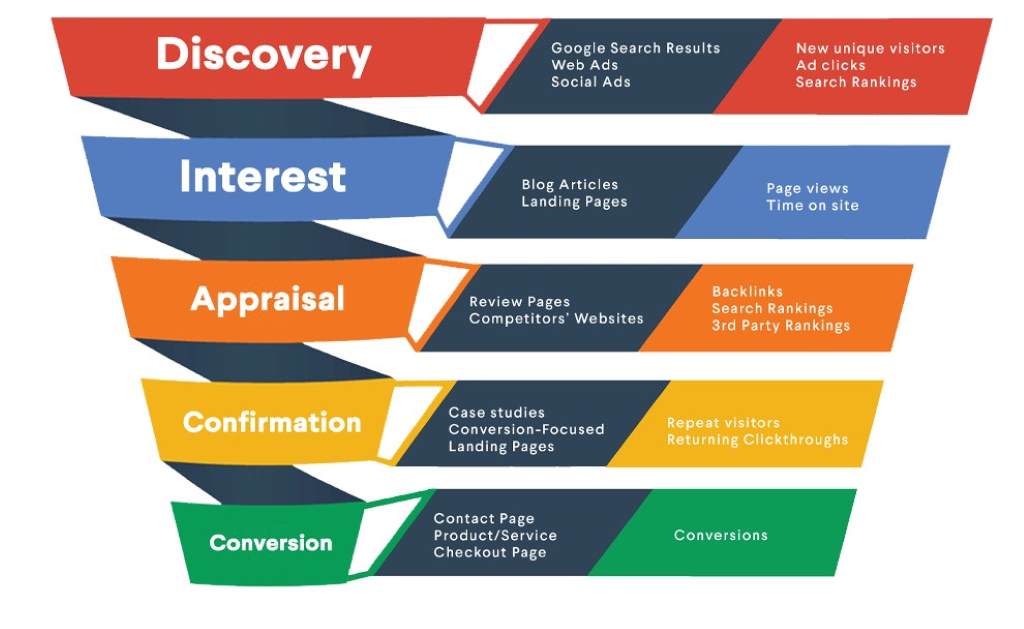
Step 1: Build Your Email List
An email funnel starts with a strong email list. You need people to send emails to. Offer something valuable to attract sign-ups. This is called a lead magnet. Examples include eBooks, checklists, or video tutorials. Promote your lead magnet on a landing page or opt-in forms.
How to Create a Lead Magnet
- Identify your audience’s pain points.
- Offer a solution (e.g., a guide to boost sales).
- Keep it simple and actionable.
- Use a free tool like Canva to design it.
Place opt-in forms on your website, social media, or blog. A 2024 HubSpot report found that opt-in forms increase email sign-ups by 20%. Avoid complex technical knowledge. Free landing page builders like Carrd simplify the process.
Step 2: Craft a Landing Page
A landing page grabs attention and collects emails. It’s the entry point to your funnel. Use a clear headline, compelling visuals, and a strong call-to-action (CTA). Free landing page editors like Wix or Mailchimp’s builder work well.
Tips for a High-Converting Landing Page
- Clear headline: State the benefit (e.g., “Get Your Free Sales Guide”).
- Simple design: Use a drag-and-drop builder for ease.
- Trust seals: Add testimonials or badges to build trust.
- A/B testing: Test two versions to see which performs better.
A/B split testing improves conversions. For example, changing a button color can boost clicks by 10%, per a 2023 Google Analytics study.
Step 3: Design Your Email Sequences
Email sequences are the heart of your funnel. They nurture leads over time. Start with a welcome email. Follow with value-driven content. End with a sales pitch. Free tools let you automate email campaigns.
Sample Email Sequence
- Welcome Email: Thank them for joining. Deliver the lead magnet.
- Value Email: Share a tip or case study (e.g., how a business doubled sales).
- Engagement Email: Ask a question or share a story.
- Sales Email: Promote your product or service.
- Follow-Up Email: Address objections or offer a discount.
A 2024 Litmus study shows personalized emails increase open rates by 26%. Use customer names and tailor content to their interests.
Step 4: Optimize with Conversion Tracking
Track your funnel’s performance to improve results. Free tools like Google Analytics show open rates, clicks, and conversions. Monitor abandoned carts for e-commerce funnels. Adjust emails based on data.
Key Metrics to Track
- Open Rate: Percentage of people opening your emails.
- Click-Through Rate: Clicks on links in your emails.
- Conversion Rate: Percentage of leads who buy.
- Bounce Rate: Emails that fail to deliver.
For example, a business using conversion tracking saw a 15% sales increase after tweaking their checkout page, per a 2024 Shopify case study.
Step 5: Use Free Funnel Builders
Free funnel builders simplify the process. Tools like MailerLite or HubSpot’s free CRM offer drag-and-drop features. They integrate with landing pages, email campaigns, and checkout forms. No technical knowledge is needed.
Top Free Funnel Builders
- MailerLite: Easy email sequences and landing pages.
- HubSpot: Free CRM with email tracking.
- Sendinblue: Affordable automation for small businesses.
These tools support sales funnel software needs. They also handle membership sites and online stores.
Step 6: Add Advanced Features
Want to take your funnel to the next level? Add features like webinar hosting or Zoom conferencing. Promote webinars through email campaigns. Use promotional email sequences to drive sign-ups. Free tools like YouTube Live can host webinars.
Advanced Features to Consider
- Affiliate Marketing: Partner with others to promote your funnel.
- Social Media Campaigns: Share your lead magnet on X or Instagram.
- Custom Fonts: Make emails visually appealing with free font tools.
- Membership Areas: Offer exclusive content to subscribers.
A 2023 case study of Jeff Walker’s Product Launch Formula showed a 30% conversion boost using webinars.
Step 7: Handle Customer Support
Great customer support keeps subscribers happy. Respond to inquiries fast. Use free tools like Tawk.to for live chat. Add contact information to your emails and landing pages. This builds trust and reduces abandoned carts.
Customer Support Tips
- Reply within 24 hours.
- Use canned responses for common questions.
- Offer video tutorials for complex products.
Step 8: Scale Your Online Business
Once your funnel is running, scale it. Add more lead magnets or email sequences. Test new landing page designs. Expand into content monetization or affiliate programs. Use sales CRM tools to manage leads.
Scaling Strategies
- Create online courses for passive income.
- Use inbound marketing to attract organic traffic.
- Test AMP pages for faster mobile loading.
- Offer professional page launch services for clients.
A 2024 Forbes study found businesses with multiple funnels increased revenue by 25%.
Related:
- How to Market a Discord Server
- Klaviyo Personalised GIFs: Boosting Engagement Through Dynamic Visuals
- Navigating HIPAA Compliance in Healthcare PPC Campaigns
Common Mistakes to Avoid
Don’t sabotage your funnel. Avoid these pitfalls:
- Overloading Emails: Too many emails annoy subscribers.
- Ignoring Data: Use Google Analytics to track performance.
- Complex Designs: Keep landing pages simple.
- No Testing: Always use A/B split testing.
Conclusion
A free email funnel can skyrocket your business. It builds trust, nurtures leads, and drives sales. Start with a lead magnet, create a landing page, and design email sequences. Use free tools to keep costs low. Track performance to optimize results. Ready to grow? Build your email funnel today and watch your business thrive.
FAQs
What is the best free tool for email funnels?
MailerLite and HubSpot offer free, easy-to-use funnel builders.
How long should an email sequence be?
Aim for 4–7 emails to nurture leads without overwhelming them.
Can I use email funnels for an online store?
Yes, email funnels boost sales by targeting abandoned carts and upselling.
How do I improve email open rates?
Use personalized subject lines and send emails at optimal times.
Do I need technical knowledge for email funnels?
No, free drag-and-drop builders make it beginner-friendly.
References:
- Direct Marketing Association, 2023: https://www.thedma.org
- U.S. Small Business Administration, 2023: https://www.sba.gov
- HubSpot, 2024: https://www.hubspot.com
- Litmus, 2024: https://www.litmus.com
- Shopify, 2024: https://www.shopify.com
- Forbes, 2024: https://www.forbes.com