
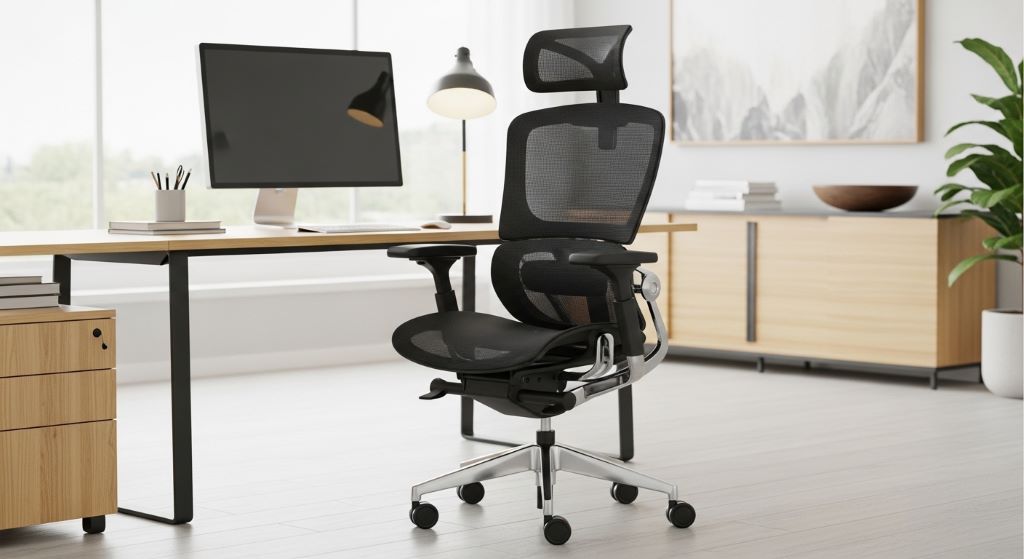
The modern workplace has evolved dramatically, and so have the demands on office furniture. Choosing the right chair is no longer just about aesthetics or budget. It’s about protecting your health, boosting productivity, and ensuring comfort during long work hours. Whether you work from home or in a traditional office, your chair significantly impacts your daily well-being.
This guide will walk you through everything you need to know about selecting the perfect office chair in 2026. You’ll discover what features matter most, how to evaluate different options, and what mistakes to avoid. By understanding these key factors, you’ll make an informed decision that serves you well for years to come.
Understanding Your Seating Needs
Before diving into specific features, take time to assess your unique requirements. Not everyone needs the same type of chair. Your body type, work habits, and health considerations all play crucial roles in determining the best option for you.
Consider how many hours you spend sitting each day. Someone working occasional four-hour shifts has different needs than someone sitting for eight or more hours daily. Additionally, think about your work activities. Do you move frequently between tasks, or do you remain focused on a screen for extended periods?
Your existing health concerns matter significantly. If you already experience back pain, neck tension, or circulation issues, you need a chair that addresses these specific problems. Furthermore, consider your workspace setup. The best chair in the world won’t help if it doesn’t fit properly under your desk or work with your monitor height.
Budget plays a practical role, but remember that a quality chair is an investment in your health. Spending more upfront often saves money over time by lasting longer and preventing medical expenses related to poor posture and chronic pain.
Essential Features for Office Workers
Modern office chairs come packed with features, but some matter more than others for daily comfort and health. Understanding these essential elements helps you separate marketing hype from genuine value.
Lumbar support stands as the most critical feature for preventing back pain. Your lower spine has a natural curve that needs support throughout the day. Look for adjustable lumbar support that you can position exactly where your back curves. This adjustment ensures the support hits the right spot regardless of your height or body shape.
Seat depth adjustment allows you to customize how far you sit back in the chair. Proper seat depth leaves a few inches of space between the seat edge and the back of your knees. This prevents circulation problems while ensuring adequate thigh support. Moreover, it helps you maintain contact with the lumbar support without perching on the edge.
Adjustable armrests reduce shoulder and neck strain significantly. They should move up and down, forward and backward, and ideally pivot inward and outward. Properly positioned armrests let your shoulders relax naturally while supporting your forearms during keyboard work.
Seat height adjustment is fundamental but often overlooked. Your feet should rest flat on the floor with your knees at roughly 90 degrees. This position stabilizes your lower body and promotes proper posture. Most chairs offer pneumatic height adjustment, which provides smooth, easy changes throughout the day.
The recline mechanism lets you change positions without leaving your chair. Movement throughout the day keeps muscles engaged and blood flowing. Look for chairs with adjustable recline tension that you can set based on your body weight and preference.
Material Considerations for Comfort Seating
The materials used in chair construction affect both durability and daily comfort. Different materials offer various advantages, and the best choice depends on your climate, cleaning preferences, and personal comfort.
Mesh backs provide excellent breathability, which is crucial if you work in warm environments or tend to get hot while sitting. The mesh allows air to circulate, preventing sweat buildup and maintaining comfort during long sessions. However, mesh offers less cushioning than upholstered options and may feel less luxurious.
Upholstered fabric seats and backs provide a softer, more traditional feel. They come in countless colors and patterns, allowing you to match your office aesthetic. Nevertheless, fabric can trap heat and may stain more easily than other materials. Look for stain-resistant treatments if you choose fabric upholstery.
Leather and synthetic leather options offer a premium appearance and easy cleaning. Spills wipe away quickly, making these materials practical for eating at your desk. Real leather develops character over time but requires occasional conditioning. Synthetic options are more affordable and animal-friendly while providing similar aesthetics.
Foam cushioning quality varies tremendously between chairs. High-density foam maintains its shape and support for years, while cheaper foam compresses quickly, leading to discomfort. Press down on seat cushions when testing chairs. Quality foam should resist your pressure and return to shape immediately.
Evaluating Executive Chairs
Executive chairs represent the premium tier of office seating, offering enhanced features and superior construction. However, not all chairs labeled as executive truly deliver executive-level quality. Learning to evaluate these options helps you identify genuine value.
Build quality separates true executive chairs from pretenders. Check the frame construction, typically steel or reinforced aluminum. Examine joints and connection points for solid assembly. Quality chairs feel substantial without being unwieldy. Additionally, inspect the base and casters. Five-star bases provide optimal stability, while quality casters roll smoothly on your floor type.
Weight capacity indicates the chair’s overall durability and construction quality. Even if you don’t approach the maximum weight, chairs with higher capacities generally use better materials and construction methods. Most quality office chairs support at least 250 pounds, while heavy-duty options accommodate 400 pounds or more.
Warranty length reflects manufacturer confidence in their product. Executive-level chairs typically offer warranties of five to ten years or even lifetime guarantees on certain components. Read warranty terms carefully to understand what’s covered and for how long.
Aesthetic appeal matters in professional settings. Executive chairs should look appropriate for your workspace while reflecting your personal style. However, never prioritize appearance over ergonomic functionality. The most beautiful chair that hurts your back is a poor investment.
Learning from Desk Chair Reviews
Reading reviews from actual users provides invaluable insights that specifications alone cannot offer. However, not all reviews are equally useful. Learning to extract meaningful information from desk chair reviews helps you make better decisions.
Look for reviews from people with similar body types and work patterns to yours. A chair that’s perfect for someone six feet tall might not work for someone five-foot-two. Similarly, a chair praised by someone working four-hour days might fail for eight-hour users.
Pay attention to long-term reviews rather than initial impressions. A chair might feel comfortable during a quick store test but develop issues after months of daily use. Reviews written after six months or a year of use provide more reliable information about durability and lasting comfort.
Notice patterns in complaints and praise. One person mentioning a squeaky mechanism might be an isolated issue. Ten people reporting the same problem indicates a design flaw. Conversely, consistent praise for specific features suggests those elements genuinely deliver value.
Professional reviews from ergonomic experts and publications offer technical assessments that user reviews might miss. These reviews often include measurements, adjustment range testing, and comparisons to ergonomic standards. Therefore, combine professional assessments with user experiences for a complete picture.
Be skeptical of extremely positive or negative reviews. Some reviewers have unrealistic expectations, while others might be incentivized to promote specific products. Moderate, detailed reviews that discuss both strengths and weaknesses tend to be most reliable.

Testing Before Buying
Whenever possible, test chairs in person before making a purchase. Online shopping offers convenience and often better prices, but nothing replaces actually sitting in a chair to assess its fit and feel.
Sit in the chair for at least 10 to 15 minutes if possible. Initial comfort can be misleading. Give yourself time to notice pressure points, support issues, or features that don’t quite work for your body. Move around naturally, reaching for imaginary items and adjusting your position as you would while working.
Adjust all the features while seated. Ensure you can reach and operate every control without straining. Some chairs have adjustment levers in awkward positions that make them impractical for regular use. Additionally, verify that adjustments stay in place rather than gradually drifting during use.
Bring measurements from your workspace if shopping in a store. Knowing your desk height and clearance helps ensure the chair will actually fit in your environment. A perfect chair that doesn’t fit under your desk creates frustration and wasted money.
Trust your body’s feedback. If something feels uncomfortable during testing, it will likely bother you more during actual use. Conversely, if a chair feels supportive and comfortable immediately, that’s a positive sign. However, remember that adjusting to proper ergonomic positioning might feel unusual at first if you’ve been sitting poorly for years.
Budget-Friendly Options That Don’t Sacrifice Quality
Premium chairs offer exceptional features, but excellent options exist at lower price points. Understanding where manufacturers cut costs helps you identify budget chairs that still deliver essential functionality.
Focus on core ergonomic features rather than premium materials. A chair with good lumbar support, proper adjustability, and solid construction but basic upholstery often serves you better than a luxurious-looking chair lacking ergonomic fundamentals.
Consider previous-generation models from reputable manufacturers. When companies release new versions, older models often go on sale despite offering similar functionality. These chairs provide proven performance at reduced prices.
Watch for seasonal sales and promotions. Many office furniture retailers offer significant discounts during back-to-school periods, Black Friday, and end-of-year clearances. Planning your purchase around these sales can make premium options more affordable.
Refurbished chairs from office furniture liquidators offer another money-saving option. Companies upgrading their offices often sell barely-used, high-quality chairs at steep discounts. Inspect these carefully and verify warranty coverage, but they can provide excellent value.
Making Your Final Decision
After researching features, reading reviews, and testing options, you’re ready to make your choice. A systematic approach to this final decision ensures you select the chair that best meets your needs.
Create a shortlist of three to five chairs that meet your essential requirements. Compare them side by side, noting their specific features, prices, and warranty terms. This comparison makes differences clear and helps you weigh tradeoffs.
Prioritize features based on your specific pain points and needs. If you struggle with lower back pain, exceptional lumbar support matters more than premium upholstery. If you get hot easily, breathable mesh trumps leather aesthetics.
Calculate the cost per year of use based on expected lifespan. A chair costing six hundred dollars that lasts eight years costs seventy-five dollars annually. A three hundred dollar chair lasting three years costs one hundred dollars per year. This perspective often makes higher-quality options more economical.
Trust your research but also trust your gut. If something about a highly-rated chair doesn’t feel right to you, that’s valid feedback. Your comfort and satisfaction matter more than following conventional wisdom.
Conclusion
Selecting the best office chair in 2026 requires balancing ergonomic needs, personal preferences, and practical considerations. Focus on essential features like adjustable lumbar support, seat depth customization, and quality construction. These elements provide the foundation for healthy, comfortable sitting regardless of price point.
Take advantage of desk chair reviews to learn from others’ experiences while testing chairs in person whenever possible. Remember that executive chairs offer premium features and durability, but excellent comfort seating exists across all price ranges. The key is identifying chairs that deliver genuine ergonomic value rather than just marketing promises.
Invest time in this decision because your chair affects your health and productivity every working day. A well-chosen chair supports your body, reduces fatigue, and helps you maintain focus on your work. Moreover, it can prevent the chronic pain and health issues that develop from years of poor seating.
Your perfect chair balances your specific body type, work habits, budget, and workspace requirements. By following the guidance in this article and carefully evaluating your options, you’ll find seating that serves you well throughout 2026 and beyond.
Frequently Asked Questions
How much should I spend on a quality office chair?
Quality office chairs typically range from three hundred to eight hundred dollars, though premium options can exceed one thousand. For daily eight-hour use, aim to spend at least four hundred dollars to ensure adequate ergonomic features and durability. However, excellent budget options exist in the two hundred to three hundred dollar range if you prioritize core ergonomic features over premium materials.
What’s the difference between mesh and cushioned office chairs?
Mesh chairs offer superior breathability and work well in warm environments or for people who get hot easily. They require less maintenance and typically cost less. Cushioned chairs provide a softer feel and often include more padding for comfort. The best choice depends on your climate, personal temperature preferences, and desired aesthetic. Some chairs combine both materials for balanced benefits.
How long should a good office chair last?
A quality office chair with proper care should last seven to ten years. Premium chairs often last even longer. Factors affecting lifespan include build quality, usage intensity, user weight, and maintenance. Regular cleaning, tightening loose screws, and replacing worn casters extends chair life. If your chair shows significant wear, loses adjustability, or no longer provides adequate support before five years, it was likely not quality construction.
Can an office chair really reduce back pain?
Yes, a properly designed and adjusted office chair can significantly reduce or eliminate back pain caused by poor posture and inadequate support. The chair must have adjustable lumbar support positioned correctly for your spine, appropriate seat depth, and proper height adjustment. However, the chair alone isn’t enough. You must also maintain good posture, take regular movement breaks, and ensure your entire workstation is ergonomically set up.
Should I choose a chair with or without a headrest?
Headrests benefit people who recline frequently or take phone calls while leaning back. They support your neck during breaks and can reduce upper body tension. However, headrests often interfere with forward-focused work and may encourage poor posture. If you primarily sit upright while working, a headrest isn’t necessary. Many chairs offer optional or removable headrests, providing flexibility to decide after use.
Related Topics:
All-in-One Marketing Platforms Reviewed: The Best Tools Marketers Swear By in 2025
Content Marketing Seattle Growth Strategy for Local Startups